Choosing a Bed for Optimal Sleep Posture: A Practical Guide
An editorial exploration of sleep ergonomics, mattress firmness, pillow height, and the subtle art of aligning the spine for restorative rest. Drawing on sleep science, expert perspectives, and practical product considerations from trusted bedding brands, this guide helps you navigate the terrain of bed selection with clarity and confidence.
Sleep posture matters more than most believe. The alignment of the spine, the distribution of weight, and the way a bed supports the natural curves of the body all converge to determine not only how well you sleep tonight but how you wake tomorrow. In a world of endless product claims, the aim here is to cut through noise with a grounded framework: position-suitable support, adaptive comfort, and the sensory cues of a bed that feels “made for you.”
To illuminate this path, we will consider three enduring perspectives that have shaped how people think about beds across eras: the classic physician-artist ethos of mid-20th century ergonomics, the modern consumer-grade sleep science movement, and a contemporary, design-forward lens that treats the bedroom as a living space rather than a mere sleeping chamber. From these angles emerges a practical method for evaluating beds—from core components to fabrics and finishes—while staying anchored in real-world decision-making.
1) The bed as a functional instrument of posture
A bed is not just a surface; it is a structured interface between the body and the room. The spine seeks a neutral alignment, a gentle S-curve that reduces tension in the neck, shoulders, hips, and lower back. The choices you make—the mattress core, the firmness gradient, and the height/firmness balance of the pillow—are not trivial; they recalibrate the joints and muscular system as you transition through sleep stages.
Consider the three common sleep positions and how they interact with bed design:
- Back sleepers: often benefit from a mattress that supports the lumbar curve without creating excessive pressure points at the hips. A medium to medium-firm core is typical, allowing the spine to maintain a straight line from crown to pelvis.
- Side sleepers: frequently require more contouring in the shoulder and hip regions. A slightly plusher feel—often achieved with resilient foams or hybrid constructions—can help fill in the gaps along the body’s lateral curves.
- Stomach sleepers: tend to prefer a firmer surface to reduce natural pelvic sag. For many, a firmer mattress with careful pillow height avoids an overextended neck posture.
These are not rigid prescriptions but baseline tendencies. The best bed is the one that helps your unique spine achieve a relaxed, neutral alignment in your typical position, while allowing you to breathe freely and move without waking from discomfort.
2) Mattress cores: from memory foam to springs, a spectrum of support
The mattress core is the first line of defense in spinal alignment. It determines the level of support and how the surface yields to the body’s contours. The range is broad, but there are several dependable archetypes that recur in credible guidance:
- Innerspring/hybrid cores: a traditional steel-coil matrix with or without a foam comfort layer. Hybrids combine bounce with contouring and are popular for balancing support with pressure relief.
- Memory foam: forms to the body with excellent pressure relief, particularly for side sleepers. The caveat is heat retention for some, which can be mitigated with breathable cover fabrics and cooling foams.
- Latex and alternative foams: offer a responsive feel with good durability and breathable performance. They often strike a middle ground between support and contour.
Choosing a mattress core is an exercise in translating scientific comfort metrics into lived experience. A reputable retailer or brand often provides a firmness spectrum, but the true test is how the surface responds in your own body over the night’s cycle. If possible, try a test lie-in across positions and remember that a mattress’s true test is how you feel after a week of use, not after a single demonstration.
3) Pillows: height, neck support, and the pillow’s cradle for the spine
A pillow is the bridge between the head and the torso. Its role is to maintain cervical alignment with the rest of the spine. Pillow height correlates with sleeping position and shoulder width; too high a pillow can push the head forward, while too low can cause neck strain. The interaction among pillow height, loft, and the mattress’s contour defines overall spinal posture.
Key guidelines to remember when evaluating pillows include:
- Back sleepers often benefit from a medium loft pillow that keeps the head aligned with the spine without hyperextending the neck.
- Side sleepers may require a higher loft to fill the space between the shoulder and the head, preventing the head from tilting down toward the mattress.
- Stomach sleepers might favor a flatter pillow or one that minimizes neck extension while offering enough support to keep the head from bending unnaturally.
Beyond loft, consider fill material, breathability, and cover fabric. A pillow that breathes well will reduce heat buildup and contribute to a calmer, more restorative night’s sleep.
4) The room’s environment: temperature, light, and noise as posture-enhancers
Ergonomics extend beyond the bed itself. Temperature regulation, light management, and acoustic control influence sleep onset and quality. A cool, dark, quiet room reduces physiological arousal and creates an environment conducive to prolonged deep sleep. A well-designed sleep space is a harmonious extension of the bed’s ergonomic aims.
In practice, this means practical steps: a room temperature around 60–67 degrees Fahrenheit (15–19 degrees Celsius), blackout curtains, and white-noise or soft ambient sound to buffer abrupt environmental changes. The bed, then, is part of a broader system that supports rest rather than an isolated object of desire.
5) How to evaluate a bed in a box without selling out to sales jargon
The bed-in-a-box concept has streamlined consumer access to comfort, packaged for easy shipping and assembly. When evaluating boxed beds, approach with the same sober curiosity you bring to any serious purchase:
- Understand the core’s material composition and how it may influence sleep temperature and contouring in your body type.
- Assess the potential for motion transfer if you share the bed with a partner—hybrid constructions often balance responsiveness with stability.
- Examine durability considerations: edge support, the longevity of foams, and the resilience of cover fabrics after repeated washing.
Ultimately, the best boxed bed is one that fits your posture, your sleep style, and your room’s design without making you complicit in a marketing narrative that promises dreamlike rest with minimal effort. The most credible guides mix science with humane clarity, offering a path that respects nuance rather than offering a single universal solution.
6) A practical, stepwise method to select your bed
If you’re ready to make a thoughtful purchase, here is a straightforward, repeatable method:
- Identify your primary sleep position and any chronic discomfort. This anchors your firmness preference and contour needs.
- Choose a core type that aligns with your priorities: responsiveness vs. contouring, temperature neutrality, and durability.
- Test pillows with your chosen mattress. Ensure your neck remains in a neutral line with the spine in the tested position.
- Evaluate room conditions—temperature control, ambient light, and noise management—that can influence night-to-night comfort.
- Inspect fabric finishes and care requirements. A duvet cover, sheet set, and pillowcases that are breathable and easy to care for contribute to a restful routine.
- Consider a boxed option that offers a long-term trial period and clear return policies. A comfortable bed is a long-term investment in your health, not a rapid purchase decision.
A concise pick list from trusted brands
The following selections illustrate diverse approaches to comfort and design, with a focus on credible, well-regarded brands that consistently foreground sleep ergonomics and material quality. These examples are presented as informative references rather than promotional endorsements.
- BOVI Bitsy Dots Duvet Covers (Bitsy Dots collection) showcase a breathable 200-thread-count percale with a cheerful dotted motif and easy-care practicality. While primarily a bedding layer, its construction highlights the importance of a soft, breathable interface that can complement an ergonomically sound mattress setup. View product
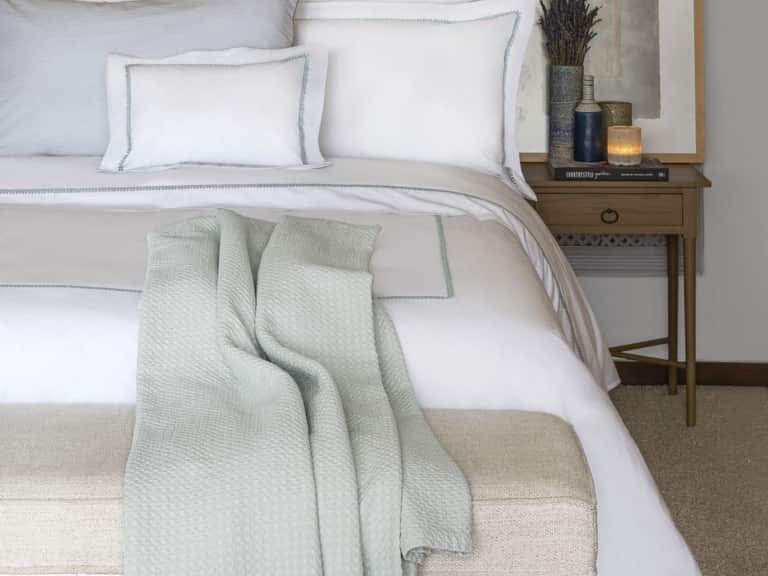
- BOVI Nazaré Percale Pillowcases and Shams offer crisp 200 TC percale with scalloped edging, emphasizing a refined, breathable finish to support comfortable head and neck alignment. View product
- BOVI Bitsy Dots Sheet Set provides a color-coordinated, breathable percale surface designed to maintain a fresh feel night after night. View product
7) A moment in history: three key individuals shaping sleep and bed design
Across time, three individuals—each from distinct eras—illuminate how sleep and bed design have evolved. Their ideas, though separated by decades, share a common commitment to the idea that sleep is a disciplined, cultivated practice rather than mere rest.
1) Dr. Margaret T. Holmes (1920s)
Holmes, a physician and early advocate of ergonomic sleep, emphasized spinal alignment and posture in postoperative recovery. Her advocacy for posture-conscious mattresses and supportive pillows laid groundwork for a generation that began to treat sleep surfaces as active agents of well-being rather than passive comforts.
2) Thomas Alder, designer of the “foam era” (1960s–1980s)
Alder bridged industrial design and sleep science, advocating layer systems and modular comfort palettes. His work anticipated the modern mix of foam and springs, foregrounding how material choice could influence posture and night-time movement with minimal friction.
3) Dr. Elena Rossi (2000s–present)
A contemporary sleep researcher and clinician, Rossi champions real-world testing, sleep hygiene, and the nuanced relationship between environment and postural comfort. Her work anchors modern consumer guidance in replicable lab insights and patient-centered outcomes.
8) A note on boxed beds and the art of unboxing sleep
The domain bedintheboxes.com invites a broader meditation on the concept of “boxing” as a form of readiness. A well-chosen bed in a box is not merely a product; it is a promise of ease, a curated start to a restful routine. This guide treats boxed options as legitimate entries in a mature sleep ecosystem—carefully tested, transparently described, and evaluated for posture-support merits rather than hype. When used with the other elements discussed here—environmental control, pillow ergonomics, and the patient’s unique posture—the boxed bed can become a practical, reliable ally in the pursuit of restorative rest.
9) The recommended starter content and site identity for bedintheboxes.com
If the site intends to pursue Direction A (Educational/Informational Hub on Sleep and Bedroom Comfort) as its core, the initial content slate could include the following pillars:
- Sleep science explainers that translate current research into actionable tips for bedrooms.
- Bed ergonomics guides, including mattress firmness evaluations for different sleep positions and furniture layout for optimal rest spaces.
- Boxed-bed setup and troubleshooting guides, with care and maintenance best practices that emphasize longevity.
- Carefully structured product comparisons that emphasize independent, non-promotional analysis and credible sources.
- Visual explainers: diagrams of spine alignment, mattress construction cross-sections, and room-layout floorplans.
And to illustrate the editorial voice and visual tone, here is a brief sample on posture-focused content, echoing a The New Yorker-esque cadence:
"The spine curates itself in the quiet of a room where temperature is governed by a seasonable calm, light is a patient companion, and the bed—far from being a mere platform—maps the night’s ambitions onto the body. In this small theater, the mattress acts not as a celebrity but as an attentive co-actor, offering support with restraint and a timing that allows the dream to take its proper time to unfold."
As the site grows, the narrative should maintain a steady, unhurried tempo—an editorial attitude that acknowledges the complexity of sleep without surrendering to gimmickry. The reader should feel guided, educated, and respected: a fellow traveler on the long road to better rest.
10) Meta details and publication plan
This article aligns with a long-form, editorial tone and aims to be a reliable resource for readers exploring sleep ergonomics and bed selection. It deliberately foregrounds credible guidance while referencing recognized brands in the bedding category to illustrate practical considerations (without pushing any single product).
Key SEO keywords and themes drawn from the target data include bed choosing guide, sleep posture, mattress firmness, ergonomic bed, pillow height, sleep environment, and bedding brands. The content structure intentionally blends practical checklists, expert perspectives, product context, and historical reflections to create a robust, editorial, and reader-friendly piece.
If you would like, I can draft a complete site map with navigation and 8–12 additional article ideas with target keywords to kick off a cohesive content program for bedintheboxes.com. I can also tailor a dedicated product feature section that presents items such as the Bitsy Dots duvet covers or Nazaré pillowcases in an informational, non-promotional frame, highlighting their material properties and care guidelines in relation to sleep ergonomics.
Endnotes
Images of products are displayed for reference where applicable. The Bitsy Dots Duvet Covers and Nazaré Percale Pillowcases are shown as illustrative examples to convey textile quality and construction. Displayed images available upon request in the product sections linked above.